

Journal
How to Choose Furniture You Won’t Regret in 10 Years — Trends vs Timeless Design
Choosing furniture can feel overwhelming. On one hand, current trends can be inspiring. On the other, something designed to last emotionally and physically often outlives short-lived styles.
This guide explains:
- What timeless design really means
- How to distinguish trends from lasting value
- Practical questions to ask before buying
- How material and craft influence long-term satisfaction
Whether you’re commissioning a bespoke dining table or selecting seating, these principles will help you choose furniture you won’t regret in a decade
What Is Timeless Furniture Design?
Timeless furniture design refers to pieces that feel good today, still feel good in 10 years, and do not become visually or functionally dated.
Timeless design typically has:
- Simple, well-balanced proportion
- High-quality materials
- A focus on function rather than novelty
This doesn’t mean it’s boring — it means the piece is designed to endure.
Are Current Trends Useful When Choosing Furniture?
Trends can be useful if approached thoughtfully. They can help you explore different materials, shapes or finishes, but trends should not be the sole reason for a purchase.
Instead of buying based on a fad:
- Ask how the piece will fit with your existing items
- Consider whether it complements your space long term
- Think about the life you lead and how the piece will be used
This gives you the best of both worlds: inspiration, but not impulse.
Does Timeless Design Cost More?
Quality and longevity often come with a higher price tag — and for good reason.
Furniture that avoids fleeting stylistic details tends to:
- Use better materials
- Require higher-level craftsmanship
- Be reparable and maintainable
This means it can stay in your life (and your home) for decades, often outperforming cheaper alternatives.
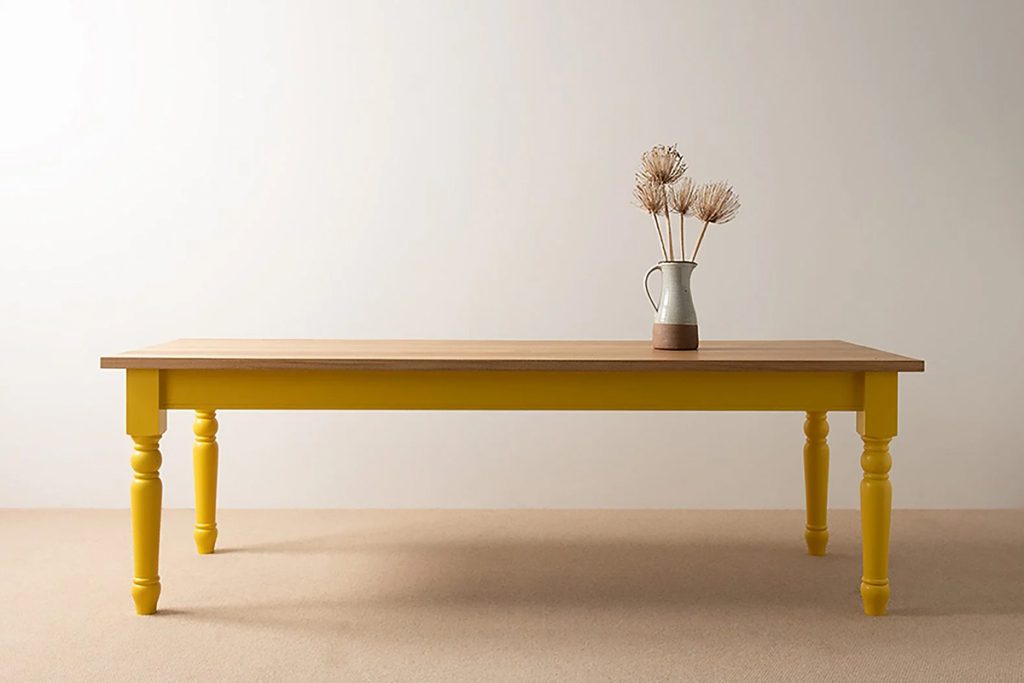
A handcrafted table made with quality hardwood, for example, may feel more expensive upfront but often outlasts a trend-led mass-produced table by years.
Questions to Ask Before You Buy
Here are practical questions that help distinguish lasting design from passing trends:
- Will this piece fit my space, not just now, but in future layouts?
- Is the material durable and appropriate for how I’ll use it?
- Is the design something I will enjoy looking at daily?
- Can this piece be repaired, refinished or adjusted?
These questions help you frame decisions in terms of longevity rather than momentary appeal.
How Material Choice Affects Long-Term Satisfaction
Material matters in both aesthetics and longevity.
For wooden furniture:
- Solid hardwoods tend to develop character over time
- Traceable, sustainably sourced timber often indicates better handling and seasoning
- Materials with visible grain and texture age gracefully, rather than appear worn
Furniture made from good materials usually looks better with use — not despite it.
How Purpose and Use Influence Longevity
Choosing furniture with purpose means considering daily life:
- A dining table that fits not just meals, but gatherings
- Benches that work with everyday seating and occasional extra guests
- Surfaces that can withstand daily movement and interaction
Furniture that responds to the way you live is less likely to feel dated or misplaced.
In Summary
Selecting furniture you won’t regret in 10 years means balancing trend inspiration with thoughtful design, quality materials and purposeful use. When proportion, craft and material are prioritised over fleeting style, furniture becomes part of everyday life rather than a temporary choice.
FAQ — Choosing Long-Lasting Furniture
What is timeless design in furniture?
Timeless design refers to pieces with simple proportion, high-quality materials and enduring appeal — items that feel right today and still feel right years later.
How can I avoid buying trend-led furniture I’ll regret?
Focus on function, materials and how the piece will live in your home long term. Ask practical questions about space, use and repairability.
Does timeless furniture cost more?
Often yes. Higher upfront cost usually reflects better materials and craftsmanship, which contributes to longevity.
How do materials influence longevity?
Solid, well-seasoned hardwoods tend to age gracefully and remain structurally sound longer than mass-produced alternatives.
Should I consider trends at all?
Trends can offer inspiration, but should not be the sole basis for purchasing. They’re best used to inform colour, finish or subtle detail — not foundational design choices.
Visit our workshop in North Devon, browse our shop or contact us to talk about a custom piece that tells your story.
